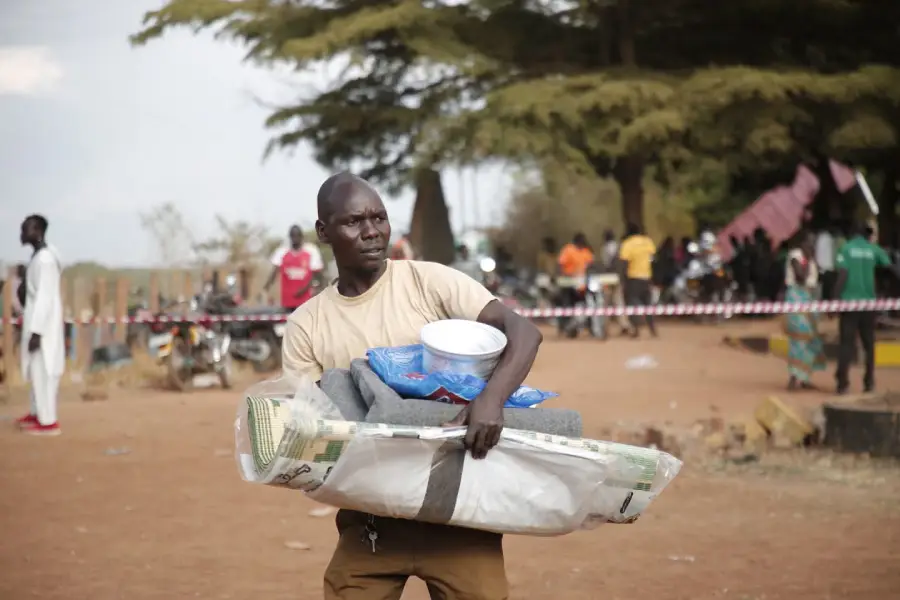
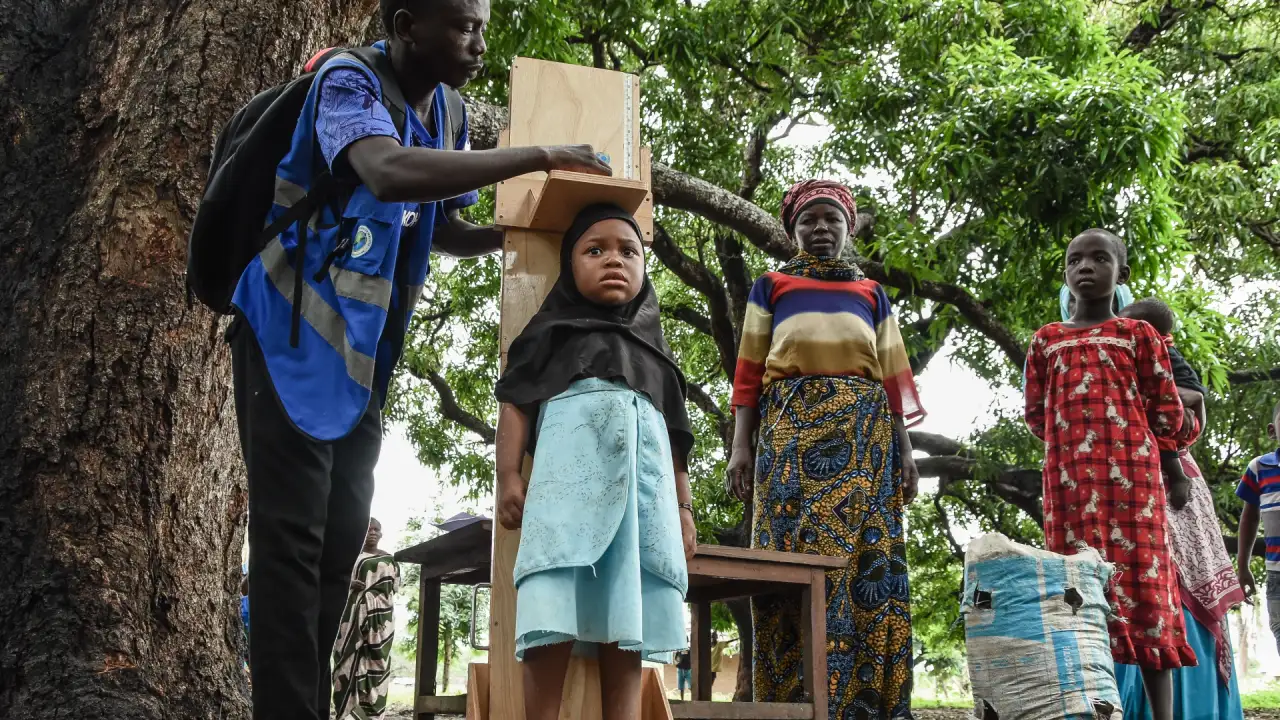
Health is a critical determinant of survival for populations affected by disasters. The public health
impacts on a disaster-affected population can be due to a lack of health care services, inadequate
protection, poor sanitation and food shortages. Women and children are frequently most at risk for poor health and some of the world’s highest maternal and infant mortality rates are in conflict-affected
populations. The main goal of humanitarian response is to prevent excess morbidity and mortality. During the initial response, the minimum initial service package for reproductive health (MISP) is prioritized as part of essential health care services delivered. CHO works along the emergency response continuum of preparedness – acute response – transition/development by linking emergency activities to long-term programs that address the health care system and gender and social norms affecting health outcomes